
What Does an Audio Tech Do?
Direct Answer
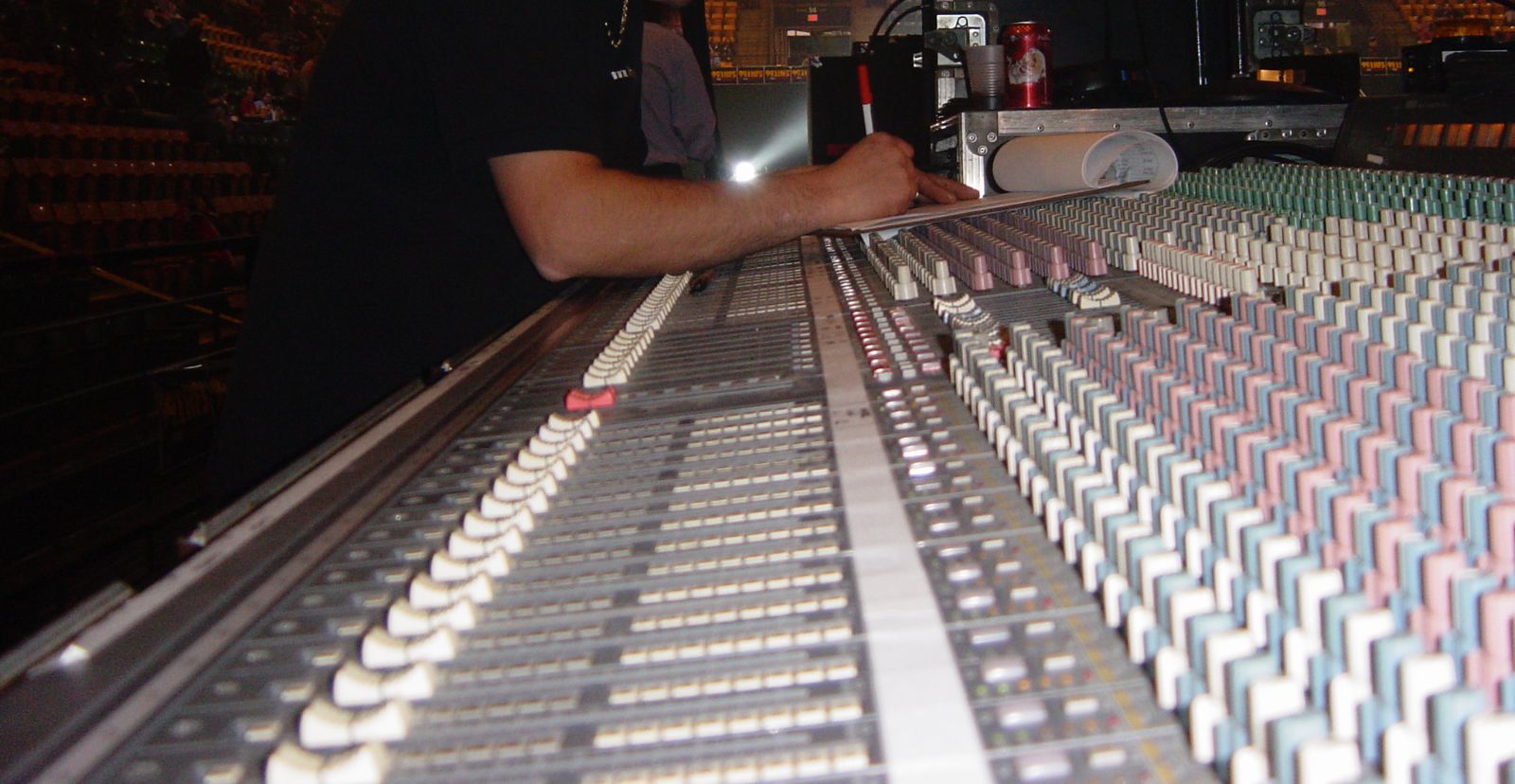
An audio tech is the crew position responsible for the sound of your event, and on most productions it is two positions rather than one. The A1 is the audio engineer running the console and mixing what the audience hears. An A2 is the audio technician handling everything that feeds that console: microphones, wireless frequencies, monitors, stage patch, batteries, and the cabling between the stage and the mix position. The A1 sits at the desk and owns the sound. The A2 works the stage and owns everything upstream of it. Small events run with one person covering both. Anything with wireless microphones, multiple presenters, or a band needs both, because the A1 cannot leave the console to fix a mic on stage.
Quick Decision Guide
| If your event has... | Your audio crew generally needs... |
|---|---|
| A single podium mic and playback | One audio position covering the whole job |
| Multiple presenters with wireless mics | An A1 at the console and an A2 on stage |
| A panel, a band, or live performance | A1 and A2, with monitors handled as its own concern |
| Multiple rooms or breakout sessions running at once | An audio position per room, not one person circulating |
| A broadcast, stream, or record feed | Audio crew scoped for the room plus the feed, which are different mixes |
Key Takeaways
- The A1 owns what the room hears. Console, mix, levels, and the decisions made live while the show is running.
- The A2 owns everything feeding the console. Mics, RF coordination, monitors, stage patch, batteries, and the cable between stage and mix position.
- The A1 cannot leave the console during a show. That is the practical reason both positions exist. When a lav fails during a keynote, somebody has to be on stage to fix it, and it cannot be the person mixing.
- Wireless is what usually forces the second position. RF coordination and mic handoffs between presenters are constant work, and they all happen away from the desk.
- One person covering both is a real option on small jobs. It is a scoping decision, not a shortcut, and it stops being viable the moment two things need attention in two places.
What an A1 Does
The A1 runs the console. Before the show that means patching inputs, setting gain, building the mix, running line check and soundcheck, and setting up whatever scenes or snapshots the program needs so the transitions are one button rather than ten moves.
During the show the A1 mixes live. Levels between speakers, music, and playback. Riding a presenter who works the mic too closely and one who backs away from it. Muting what should not be open. Catching feedback before the room hears it as feedback.
Afterward the A1 tears the position down and pulls the system with the rest of the crew.
What an A2 Does
The A2 works the stage and everything that leads to the console. Setting and testing microphones. Coordinating wireless frequencies so nothing lands on top of a local broadcaster or another department's RF. Building and checking monitor sends. Managing batteries and spares. Patching the stage and running the lines back to the mix position.
During the show the A2 is on headset, handling mic swaps between presenters, changing a battery between segments, and dealing with anything on stage that goes wrong. Most of that work is invisible from the audience, which is the point.
On corporate work the A2 is also frequently the person miking presenters, which means being the calm one who puts a lav on a nervous executive two minutes before they walk out.
Why Both Positions Exist on the Same Show
The two positions exist because of geography. The console is at the back of the room, the stage is at the front, and during a show both need someone.
A single audio person covers a job where nothing is likely to need attention in two places at once: one podium mic, playback from a laptop, no performers. Once you add wireless mics, a panel that swaps handhelds, monitors, or a band, that assumption breaks. The moment a mic dies mid-program, a one-person audio crew has to choose between fixing it and mixing the show.
Step-by-Step Guide
How an Audio Call Runs Through a Show Day
-
The system goes in. Speakers, subs, and any fills get positioned and flown or stacked. Cable runs from the stage to the mix position.
-
The stage gets built and patched. The A2 sets mic positions, builds the monitor world, and patches everything back to the console.
-
RF gets coordinated. Wireless frequencies are scanned and assigned so nothing conflicts with local broadcast or with other departments using RF in the same building.
-
Line check. Every input gets confirmed one at a time. This is the step that finds the bad cable before it finds you during the show.
-
Soundcheck or rehearsal. The A1 builds the mix with real sources in the real room. Presenters or performers get time on their actual microphones.
-
Doors and show. The A1 mixes, the A2 handles the stage on headset, and both stay on comms with the rest of the production.
-
Strike. The system comes down, cable gets coiled and packed, and the mics and RF gear are inventoried, because that is the gear that goes missing.
Examples
These are typical shapes for common jobs, not quotes from past projects.
A corporate general session with several presenters. Typical crew: an A1 at the console mixing the program and an A2 on stage handling lavs, handhelds, and the swaps between speakers. Wireless coordination and mic handoffs are constant through the morning, and both positions are working the whole time.
A single-speaker event or small meeting. Typical crew: one audio position covering setup, check, and the program. One podium mic and playback rarely need two people in two places, so the second position is not the right spend.
A concert or live band. Typical crew: an A1 mixing front of house, an A2 working the stage on patch, backline inputs, and monitors, and on larger shows a separate monitor engineer handling what the performers hear, since that is a different mix with a different set of priorities.
Frequently Asked Questions
What does A1 stand for in audio?
A1 is the designation for the lead audio position on a production, the engineer running the console and mixing the show. A2 is the second audio position, working the stage and everything feeding into that console. The numbering follows through to A3 on larger shows.
Is an A1 the same as a sound engineer?
In live events, yes, in practice. A1 is the position title used on a call sheet or a labor call, and sound engineer is the general description of the work. On a concert you will also hear front of house engineer, which is the same seat.
Do I need both an A1 and an A2?
If your program has wireless microphones, several presenters, monitors, or live performance, yes. Both positions are needed because during the show the console and the stage each require someone. A single podium mic with playback can usually be covered by one audio position.
What is a monitor engineer, and is that the same as an A2?
Not quite. An A2 handles stage patch and monitors as part of a wider job. On larger shows monitors become a full position of their own, with a separate console and an engineer mixing only what the performers hear on stage.
Who handles wireless microphones?
The A2, both the coordination and the day-to-day management. Frequencies get scanned and assigned so nothing collides with local broadcast or other RF in the building, and then batteries, spares, and handoffs are managed through the program.
Can one person cover audio for a corporate event?
For a small one, yes. It stops working as soon as two things can need attention at the same time in different places, which in practice means multiple wireless mics or anything live on stage.
Does the venue's house audio cover this?
Sometimes partly. Many venues provide a system but not an operator, or an operator for the house system only and not for anything you bring in. Confirm what is included before scoping, because system and crew are separate questions.
What is line check?
Confirming every input on the console one at a time before soundcheck. It is the step that finds a bad cable or a dead mic while there is still time to swap it, rather than during the program.