
What Does a Lighting Tech Do?
Direct Answer
A lighting tech is the crew position that installs, focuses, and runs the lighting system for a show. That means hanging fixtures on truss or pipe, running power and data to them, patching each one into the console, focusing it where the design calls for, and then operating or supporting the system through rehearsal and the show itself. On a small production one lighting tech covers the whole call. On a larger one the work splits into hands who hang and cable, an electrician who owns power and distribution, and a board operator who runs the console during the show. The lighting designer decides what the show should look like. The lighting techs are the people who make the rig do it.
Quick Decision Guide
| If your event has... | Your lighting call generally needs... |
|---|---|
| A few fixtures on the venue's house system and no cues | One lighting tech to install, focus, and run the system |
| A brought-in rig going up on truss | Lighting hands for the hang and cable, plus a tech to patch and focus |
| A programmed show with cues that change through the program | A board operator on the console, separate from the install crew |
| Power distributed across a site, outdoors, or across multiple rooms | An electrician on power and distro |
| Performers or presenters who move and need to be tracked | Spotlight operators, scoped as their own positions |
Key Takeaways
- Lighting tech is one title covering four jobs. Hang, cable, patch, focus. On small calls one person does all four. On large calls they are split across the crew by skill.
- The board operator is not the same as the install crew. Running cues during a show is a different skill from hanging a rig, and it happens during show hours rather than load-in hours.
- Focus is where the time goes. Getting a rig hung is the visible part. Getting every fixture aimed and shaped to the design is the part that runs late.
- The electrician owns power. On any site where power is being distributed rather than plugged into a wall, someone has to own the distro, and that is a specific position.
- Lighting waits on rigging and beats audio and video to the truss. The lighting hang usually happens while the truss is still on the deck, before it flies, which is why the lighting call is one of the first departments in.
What a Lighting Tech Does Before Doors
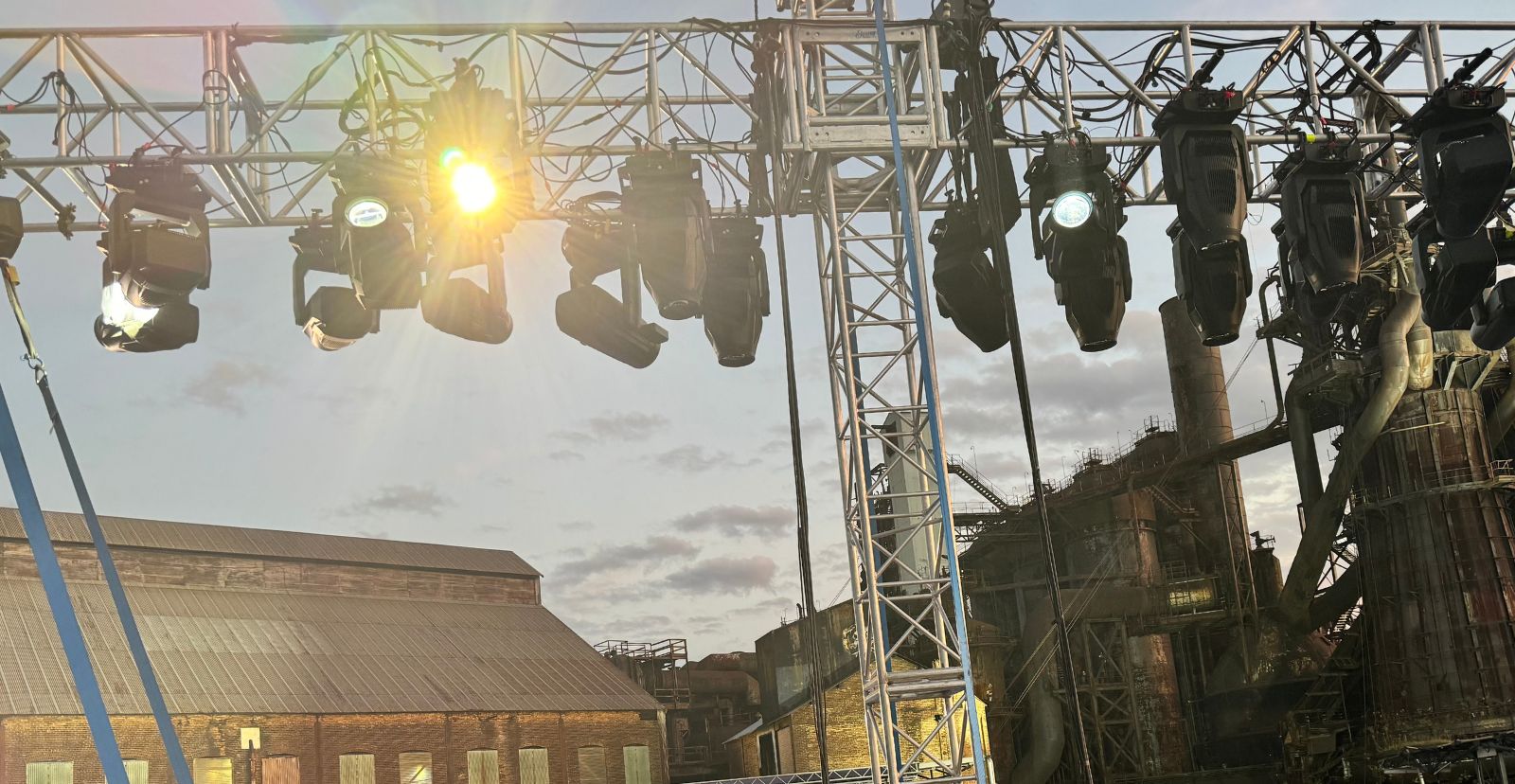
Most of a lighting tech's day happens before the audience arrives. Load-in starts with the rig on the deck: fixtures come out of cases, get hung on truss or pipe, and get cabled for power and data while everything is still at a working height. Then the rig flies to trim and the real work begins.
Patching is the process of telling the console which fixture is which, so that when the operator calls for a light, the right one responds. Focusing is aiming and shaping each fixture to the positions the design calls for, one at a time, usually from a ladder, a lift, or the deck with a spotter. On a rig of any size this is hours of work and it is the part most likely to push a schedule.
Once the rig is patched and focused, the board operator builds or loads the cues, and the tech walks through them against rehearsal until the show is ready to run.
Hang, Cable, Patch, Focus: The Four Jobs Inside the Title
Hang is putting fixtures where the plot says they go. It is physical work with a technical edge, because a fixture hung in the wrong place or facing the wrong way costs time later.
Cable is power and data to every fixture, routed so it is safe, tidy, and traceable when something stops responding.
Patch is the console side: assigning addresses, confirming each fixture answers to its channel, and finding the ones that do not.
Focus is the aiming and shaping. It is the slowest of the four and the one where experience shows most, because a tech who has focused a hundred rigs reads a plot and a room faster than one who has focused ten.
Lighting Tech, Electrician, Board Op: Where the Lines Are
On a small call, the lighting tech is all three. On a large one they are separate people.
Lighting hands and techs do the hang, cable, patch, and focus.
The electrician owns power. Distro, cable runs from the source, load balancing, generator tie-ins outdoors, and making sure nothing is drawing more than the circuit can give. On a house-power event this may be a small part of the tech's day. On a festival site it is a full position.
The board operator runs the console during rehearsal and show. Cue by cue, timed to the program, on headset with the stage manager or the designer. The board op may or may not have been part of the install crew. Often they arrive for programming and rehearsal once the rig is already up.
Knowing which of these your show actually needs is most of scoping a lighting call.
Step-by-Step Guide
How a Lighting Call Runs
-
Rigging sets the points. Nothing hangs until the rigging call has the truss ready to fly. Lighting waits on that.
-
Fixtures get hung on the deck. With the truss at working height, hands hang fixtures per the plot, in order, with clamps and safeties.
-
Power and data get run. Cable goes on the truss and back to distro and the console, dressed so it will survive the fly and be traceable afterward.
-
The rig flies to trim. Once the truss is loaded and cabled, it goes to its show height. From here, anything wrong is fixed from a lift or ladder rather than the deck.
-
Patch and address. Every fixture gets confirmed at the console. The dead ones get found now, while there is time to swap them.
-
Focus. Each fixture gets aimed and shaped to the design. This is the longest step on most calls.
-
Programming and cue-to-cue. The board op builds the cues and walks them against rehearsal until the transitions land where the program needs them.
-
Show, then strike. The board op runs the program. Afterward the rig comes down in reverse, and fixtures are cased and inventoried.
Examples
These are typical shapes for common jobs, not quotes from past projects.
A corporate general session in a hotel ballroom on house lighting plus uplights and a few key lights. Typical crew: one or two lighting techs handling the brought-in fixtures, patching them alongside the house system, and running a simple look-based show from the console during the program.
A concert in a theater or club with a brought-in rig. Typical crew: lighting hands on the hang and cable while the truss is on the deck, a tech on patch and focus once it flies, and a board operator for programming, rehearsal, and show. The lighting call starts early in the load-in and its focus time is what the rest of the schedule bends around.
A multi-day outdoor festival with rigs across more than one stage. Typical crew: a lighting call per stage, an electrician owning distro and generator power across the site, and board operators per stage during programming, with the focus and programming work staggered so stages come online in sequence rather than all at once.
Frequently Asked Questions
What is the difference between a lighting tech and a lighting designer?
The designer decides what the show should look like: the plot, the looks, the cues. The lighting tech makes the rig do it: hang, cable, patch, focus, and on many shows, operate. On a small production one person may wear both hats. On a larger one they are different people with different skills.
What does a lighting board operator do?
Runs the console during rehearsal and show, executing cues on time against the program, usually on headset with the stage manager or designer. The board op may not be part of the install crew and often arrives for programming once the rig is already up.
Do I need an electrician on a lighting call?
If power is being distributed rather than plugged into wall outlets, yes. Outdoor sites, generator power, and large rigs need someone who owns distro and load. On a small house-power event the lighting tech usually covers it.
What does focus mean in lighting?
Aiming and shaping each fixture to the position and size the design calls for. It happens after the rig is hung and patched, it is done one fixture at a time, and it is the step most likely to run long.
Can the venue's house lighting tech cover my event?
Sometimes, for a show that uses only the house rig with no brought-in gear and no complex cues. Once you bring in fixtures, a console, or a programmed show, you need your own lighting call. Confirm what the house tech will and will not do before scoping.
Do lighting techs work at height?
Focus and troubleshooting after the rig flies are done from lifts and ladders. Anything that requires going into the truss itself is rigging work with the requirements that come with it.
How long does a lighting load-in take?
It depends on the size of the rig and how much of it is pre-rigged. The controlling step is usually focus. A large rig with a lot of conventional fixtures to aim takes longer than a rig of the same size built around moving lights that can be positioned from the console.
Are spotlight operators part of the lighting call?
They are part of the lighting department but scoped as their own positions, because an operator is on the light for the whole show and cannot double as install crew during the program.