
What Does a Camera Operator Do, and Do You Need One?
Direct Answer
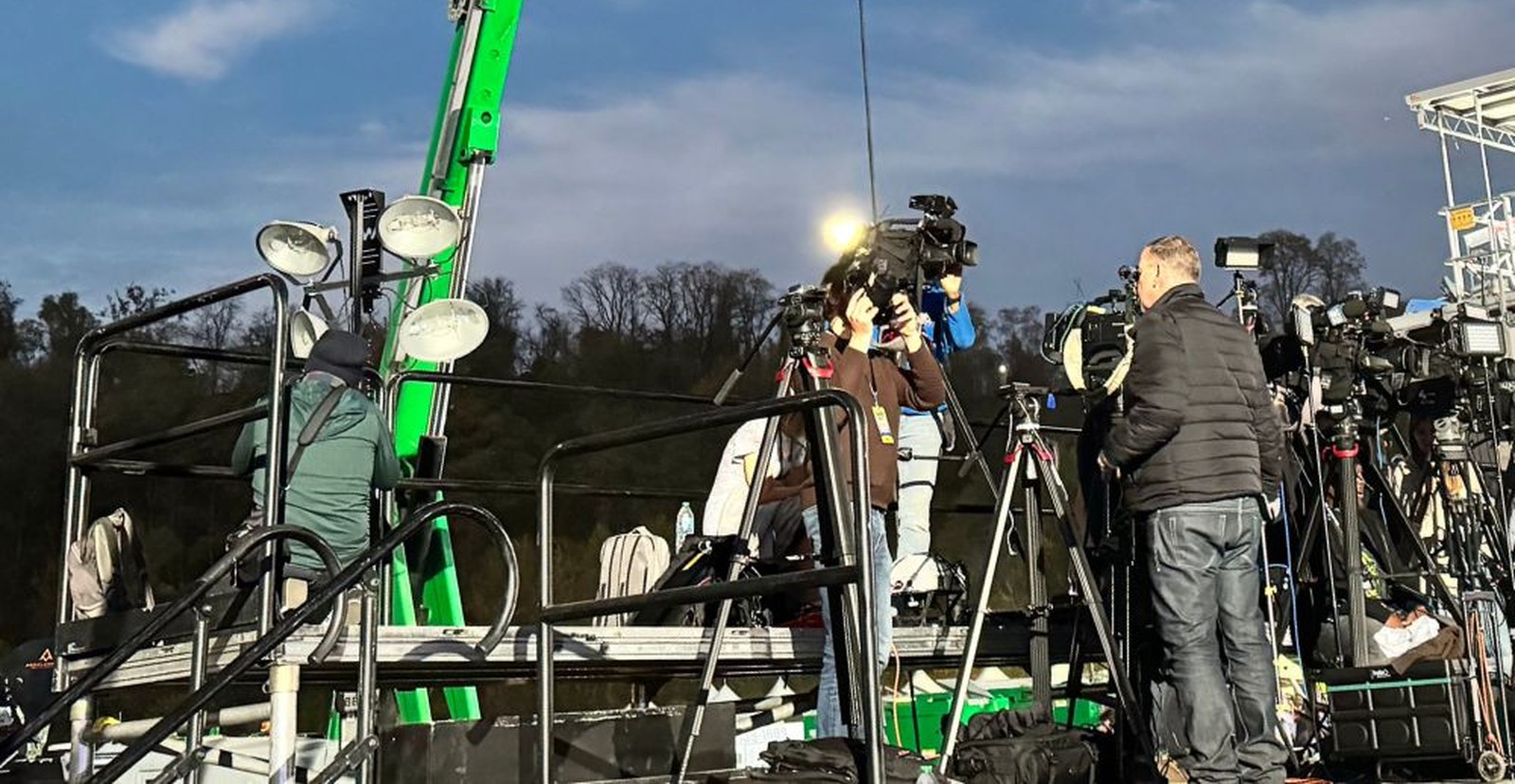
A camera operator at a live event runs a camera feeding the show in real time, usually so the audience can see the stage on screens, which is called image magnification or IMAG, and often so the event can be recorded or streamed at the same time. You need one when your audience has to see the stage on a screen, and the number of positions follows what has to be shown. The operator frames and follows the action on cue from the video director, holding a tight shot on a presenter, following a performer across the stage, or pulling wide for a reveal. The position is different from an event videographer, who shoots for an edited product after the fact. A camera operator's shot is on the screen the moment they take it, which is why the job is framing under direction, in real time, for the length of the show.
Quick Decision Guide
| If the show has... | Your camera call generally needs... |
|---|---|
| A single presenter on a screen for a large room | One locked-off or lightly operated camera for IMAG |
| A host or performers moving across the stage | An operated camera, usually two, on headset with the video director |
| Audience reactions, award walk-ups, or a reveal | A handheld or roaming operator on the floor |
| Sweeping shots over the crowd or the stage | A jib with a dedicated jib operator |
| A stream or record feed that has to look produced | A multi-camera call with a video director cutting live |
Key Takeaways
- The operator's shot is live. There is no fixing it in the edit. What the operator frames is what the audience and the stream see, right now.
- Camera positions are a design decision. Locked-off, operated, handheld, and jib each give a different shot, and the mix is set by what the show needs to show.
- Operators work on headset. Every shot is called by the video director. The operator's skill is delivering the called shot cleanly and having the next one ready.
- IMAG and record are different outputs. The screen in the room and the recording or stream can be cut differently, and the camera call is scoped for both when both exist.
- A camera operator is not an event videographer. A videographer shoots for a later edit. A camera operator feeds a live show. The gear overlaps. The job does not.
Framing on Command
Before the show, operators set up their positions with the video department: camera on the tripod, jib, or shoulder rig, lens and settings matched across cameras so the shots cut together, tally and headset working, and the position walked for sight lines and cable runs. Then rehearsal, where the video director calls the shots and the operators learn the program.
During the show, the operator runs their camera on the director's calls. A tight shot on the presenter, hold. Follow the performer stage left. Pull wide for the reveal. Ready on two, take two. The operator delivers the shot that was called, keeps it steady and in focus, and has the next one framed before it is called.
A good operator also anticipates. They know the run of show, they know where the speaker is about to walk, and they are on it before the call comes.
Four Positions, Four Different Shots
Locked-off cameras are set and left. A wide of the stage, a fixed shot on a podium. Sometimes remotely controlled, sometimes just aimed. Minimal operation, useful as a safe shot.
Operated cameras on a tripod or pedestal are the standard IMAG position: an operator framing and following the action from a fixed spot, usually at the back of the room or on a riser.
Handheld operators roam. The floor, the aisles, the front of the stage, the audience. Reaction shots, award walk-ups, anything that moves. Physically demanding and dependent on the operator's judgment.
Jib operators run a camera on a boom arm, giving sweeping and elevated shots over the stage or crowd. A jib is its own piece of gear with its own operator, and it needs space to swing.
Most shows mix these. A common corporate IMAG setup is two operated cameras and a locked-off wide. A concert adds handhelds on the stage and a jib in front of it.
Same Department, Different Crew
Camera and video are the same department on the day, and they are on the same headset loop. They are booked separately because the crew is different. A video tech builds displays and runs signal. A camera operator frames shots under direction. Neither is interchangeable with the other, and a show that needs both needs both crews.
The other reason is hours. Camera operators are show-hours crew. They arrive for setup and rehearsal and work through the program. The video build happens before they are needed.
Step-by-Step Guide
Shot Plan to Strike
-
The shot plan sets the positions. How many cameras, where they sit, what type, and what each one is for. This decides the call.
-
Positions get built. Risers, platforms, or floor positions marked and cleared, cable runs to the switcher, sight lines confirmed.
-
Cameras get set and matched. Lens, exposure, white balance, and framing matched across cameras so the cuts look like one show.
-
Comms and tally get checked. Every operator on headset with the video director, tally lights confirming which camera is live.
-
Rehearsal. The director calls the program, the operators learn the shots and the moves, and the timing gets set.
-
Show. Operators deliver called shots on cue for the length of the program.
-
Strike. Cameras come down, positions clear, gear gets cased.
Examples
These are typical shapes for common jobs, not quotes from past projects.
A shareholder meeting with IMAG on side screens and a record feed. Typical crew: two operated cameras on a riser at the back of the room holding the presenter and a wide, with a handheld on the floor for questions from the audience, all on headset with the video director cutting to the screens and to the recording.
A gala or awards event. Typical crew: an operated camera on the stage for the host and winners, a handheld working the tables for reactions and walk-ups, and a jib for sweeping room shots between segments. The handheld operator's judgment on the floor is what makes the walk-up look like television.
A festival main stage with IMAG and a stream. Typical crew: operated cameras front of house and on the wings, handhelds on the stage working close to the performers, and a jib in the pit, with the video director cutting live for the screens and a separate feed for the stream.
Frequently Asked Questions
What is the difference between a camera operator and a videographer?
A videographer shoots footage for an edited product later. A camera operator feeds a live show, framing shots on cue from a director, with the shot on screen the moment it is taken. The gear overlaps; the job does not.
What is IMAG?
Image magnification: putting the stage on screens in the room so people at the back can see what people at the front see. It is fed by camera operators shooting live and a video director cutting between them.
How many camera operators does an event need?
It depends on what has to be shown. One presenter on a screen can be a single camera. A host plus a stage plus audience moments is usually three positions. A concert with a stream is several. The number comes from the shot plan. A big room with one speaker needs fewer cameras than a small stage with a band.
What does a jib operator do?
Runs a camera on a boom arm to deliver sweeping, elevated shots over the stage or crowd. The jib is its own piece of equipment with its own operator and needs clear space to swing.
Do camera operators need rehearsal?
On any cued show, yes. Rehearsal is where operators learn the program, the moves, and the director's calls. An operator walking in cold on a cued show delivers late shots.
Who tells the camera operators what to shoot?
The video director, over headset, calling shots in real time. The operator's job is to deliver the called shot cleanly and have the next one ready.
Can a camera operator also run the video switcher?
Not during a show. Switching is a seat of its own. A single locked-off camera can be set and left by the person switching, but once cameras are operated they need operators and the switcher needs its own person.
Do you provide the cameras or just the operators?
Charm City supplies the crew. Camera packages come from the production company or the video vendor, and our operators work with what the production specifies.