
What Does a Strike Crew Do, and Do You Need One?
Direct Answer
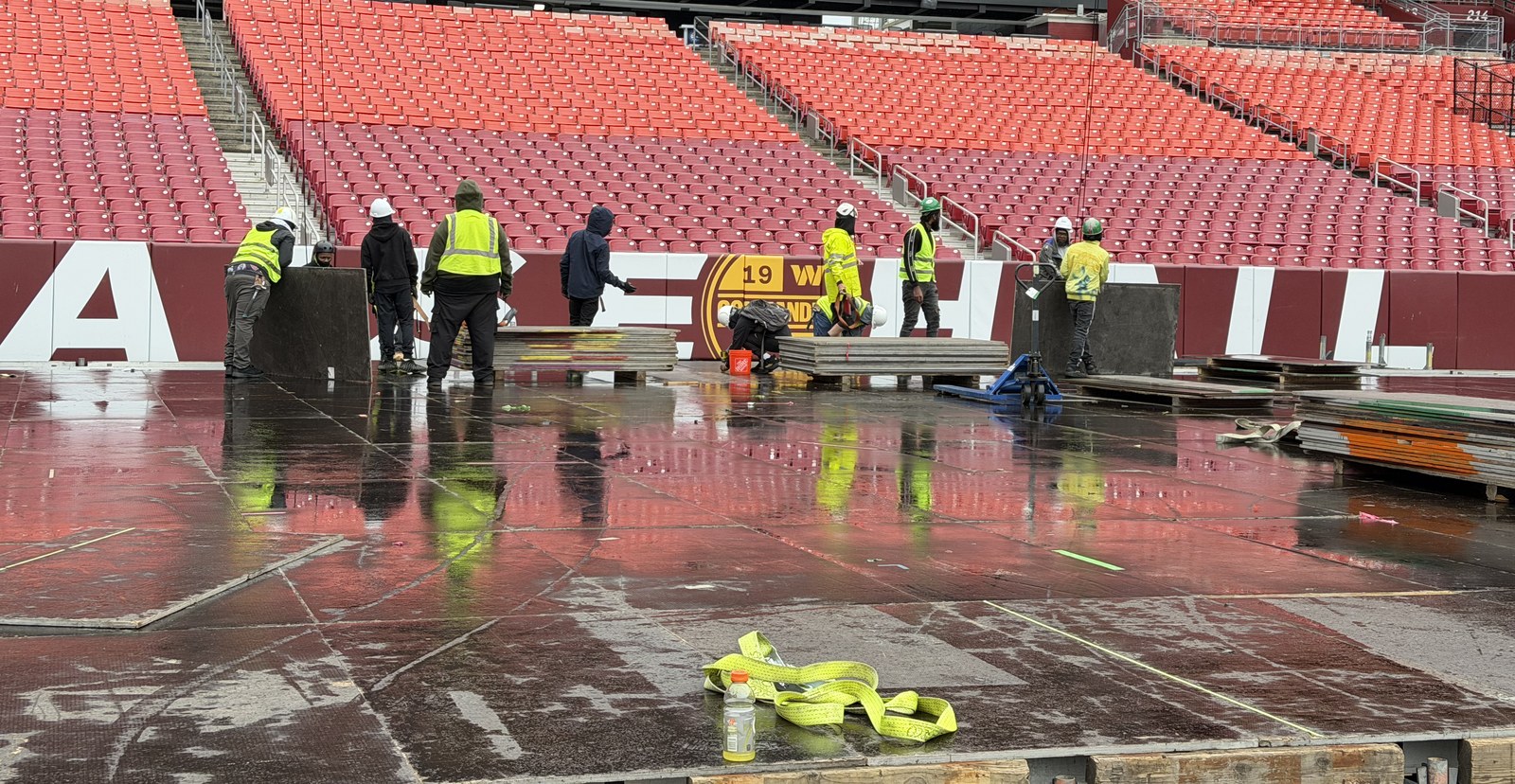
A strike crew is the labor call that takes a show down after it ends: breaking down staging and scenery, de-rigging and lowering the truss, coiling and packing cable, casing gear, and loading the trucks in an order the next venue can use. You need one on every production that loads in, and the mistake is treating strike as leftover load-in crew instead of its own call. Site support is the related position that keeps a site running during the event itself: managing cases and storage, clearing paths, resetting between segments, and handling the small physical work that would otherwise pull department crew off their posts. Strike is scoped as its own call rather than as leftover load-in crew, because it happens at the end of a long day, on a clock, usually with a venue waiting to be handed back, and an understaffed strike is the single most common reason an out time slips.
Quick Decision Guide
| If your production has... | Your call generally needs... |
|---|---|
| A hard out time or a venue that charges past a deadline | Strike staffed as its own call, sized to the clock, not to the load-in |
| A show that ends late at night | A fresh strike crew, not the load-in crew on hour sixteen |
| Set changes, resets, or gear moves during the program | Site support hands on standby through the show |
| Multiple rooms or stages coming down at once | Strike crews per area, working in parallel |
| Gear that has to be packed for the next stop on a tour | Loaders on strike who know the truck pack, not just hands to carry |
Key Takeaways
- Strike is a separate call. It has its own start time, its own crew size, and its own clock. Treating it as whoever is left from load-in is how out times get missed.
- Strike runs faster than load-in and needs more hands per hour. Everything comes down at once, and the pace is set by the venue's deadline rather than by the build sequence.
- The truck pack is the real deliverable. Gear that is thrown in a truck at two in the morning is gear that costs the next load-in time. A good strike packs for the next stop.
- Site support keeps the show running. During the event, someone has to handle cases, resets, and the physical work between segments, and it should not be the audio or lighting crew.
- Fatigue is a safety issue. A crew that loaded in at seven in the morning is not the crew that should be de-rigging at one the next morning. Fresh strike crew is a safety decision as much as a scheduling one.
Load-In in Reverse, at Twice the Speed
Strike starts the moment the show ends, and in some venues it starts before the audience has fully cleared. The sequence is roughly load-in reversed, compressed. Gear on the stage comes off first. Scenery breaks down. Cable gets pulled, coiled, and cased. Lighting, audio, and video departments pack their systems while the strike hands clear the floor around them. The truss comes down to working height, gets stripped, and comes apart. Decks and staging come down last, and the trucks load in the order the next venue needs.
Through all of it, the strike crew is moving cases, clearing paths, and keeping the departments from tripping over each other. The strike lead holds the sequence and the clock.
What Site Support Does During the Show
Site support is the crew that keeps a live event physically running once the build is done. Managing case storage so the floor stays clear. Resetting the stage between segments. Moving a riser, a podium, or a set piece on cue. Handling deliveries, hospitality gear, and the things that arrive after load-in. Standing by for the problem nobody planned for.
At a one-day event that is a hand or two on standby. Across a three-day festival or conference it is a crew working shifts, because a site that runs for three days needs looking after for three days.
How Out Times Slip
Strike is understaffed for a predictable reason. The labor estimate gets built around the load-in, because the load-in is the visible, planned part. Strike gets treated as the same crew finishing the job. By the time strike starts, that crew has been working for twelve hours or more, the venue is on a deadline, and the work has to happen faster than the build did.
The cost shows up three ways. The out time slips and the venue charges for it. Gear gets packed badly and the next load-in pays for it. And tired people working fast at height or under load is where injuries happen.
Scoping strike as its own call, with its own crew and its own start time, is the fix. It is not extra labor. It is the labor the job actually needed.
Step-by-Step Guide
Backward From the Out Time
-
The out time sets the plan. Everything is scheduled backward from when the venue needs the room empty, not forward from when the show ends.
-
Strike crew arrives before the show ends. Fresh crew is on site, briefed, and staged so strike starts the moment it can.
-
Stage clears first. Backline, set pieces, and anything on the deck come off so the departments can get to their systems.
-
Departments pack their systems. Audio, lighting, and video crews break down and case their gear while strike hands run cases and clear the floor.
-
Cable gets pulled and packed. Coiled, labeled, and cased in a way that the next load-in can use.
-
Rig comes down. Truss to working height, stripped, broken down. Rigging crew handles the points and motors.
-
Staging and decks come down. Last, because everything else was on them.
-
Trucks load in next-venue order. Loaders pack for the next stop, not for the fastest way out of this one.
-
Venue walk-through and handoff. The room is checked and handed back, on time, with nothing left behind.
Examples
These are typical shapes for common jobs, not quotes from past projects.
A conference in a hotel where the ballroom flips to a breakfast by seven. Typical crew: a strike call on site before the closing session ends, clearing the set and the brought-in AV overnight so the hotel can reset the room. Site support during the day handles turns between sessions.
A touring show's one-nighter at an arena. Typical crew: strike starting as the house clears, the load-in loaders back on the dock packing the trucks for the next city, and fresh hands on the floor. The truck pack is the deliverable, because the same tour's crew is unloading it tomorrow.
A three-day festival on a field with a Monday handback. Typical crew: site support working shifts through the weekend on storage, deliveries, and stage resets, then a large strike call Sunday night into Monday working across stages in parallel, planned as its own operation with its own lead.
Frequently Asked Questions
What is strike in event production?
Strike is the teardown after a show: breaking down staging and scenery, de-rigging, packing cable and gear, and loading out. It is the reverse of load-in, usually run faster and on a deadline.
Why is strike scoped separately from load-in?
Because it happens at a different time, on a different clock, and usually needs a different crew. A load-in crew on hour sixteen is slower and less safe than a fresh strike crew, and an out time that slips costs the production money.
How many crew does a strike need?
Typically more hands per hour than load-in, because everything comes down at once and the pace is set by the venue's deadline. The gear list and the out time together determine the number.
Should strike be the same crew as load-in?
On a short single-day event it can be. On anything where load-in started early and the show ends late, a fresh strike crew is the safer and faster choice, and it is what keeps the out time.
What does site support do?
Keeps the site physically running during the event: case storage, floor clearing, stage resets between segments, deliveries, and standby for the unplanned. It is what stops department crew from being pulled off their posts to move things.
Do I need site support for a one-day event?
Often one or two hands on standby is enough. Multi-day events, festivals, and conferences with room turns need a dedicated site support crew working shifts.
What is the biggest cause of an out time slipping?
Understaffed strike. The labor estimate gets built around load-in, and strike is treated as the same crew finishing the job, when it needs its own plan and its own people.
Do you pack gear for the next venue or just load it out?
For the next venue. A good strike packs the truck in the order the next load-in needs, because gear thrown in at two in the morning costs time tomorrow.